

My Dog Knows What I Want But Won't Listen: Is He Being Stubborn?
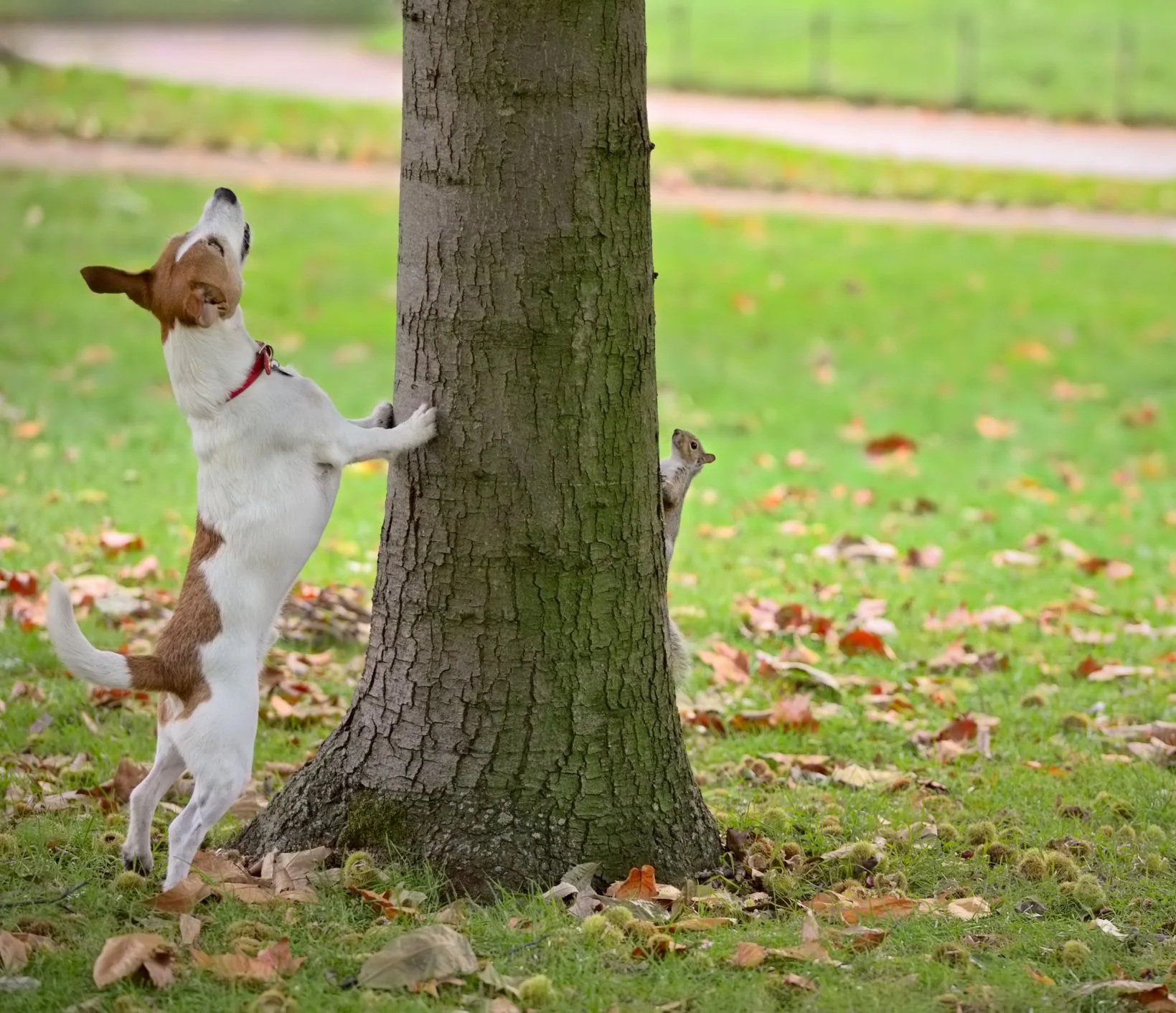
"My dog knows to come when called. He just chooses not to."
As a professional dog trainer, I hear some version of this all the time. Usually, it's said after a dog doesn’t come inside when called or won't give up a stolen sock.
While it may look like stubbornness, there is a much more productive way to view it: your dog is just being a good economist.
They aren’t consciously weighing the facts you’ve taught them ("the whistle means come inside") against a desire to break the rules. Instead, they are responding according to a long history of reinforcement.
Think about it from your dog's perspective:
The Backyard: Reliably filled with interesting smells, moving animals, exploration, and entertainment.
Coming to You: Might lead to a treat, but it might also lead to the end of playtime, the end of freedom, or a frustrated owner.
One option simply has a stronger history of paying off.
This distinction matters because the solution is completely different. If your dog is stubborn, your job is somehow to make them care more. But if your dog is just responding to their learning history, your job is simply to change that learning history. One explanation leaves owners frustrated; the other gives us a roadmap.
How to Get Your Dog to Listen Around Distractions
So how do we shift the odds in your favor? How do we consistently beat the allure of the great outdoors?
The answer isn't finding a reward that is better than every squirrel or rabbit. The straightforward answer is practicing with reinforcement often enough that responding to your cue becomes almost automatic.
Think about flipping a light switch. You don’t stop and wonder whether the light will turn on; you simply expect it to work because it always has.
The strongest trained behaviors work the same way. Much of professional dog training aims to create behaviors that happen with little conscious thought—whether you call it muscle memory, habit, or a conditioned response. Your dog hears the cue, subconsciously expects a positive outcome, and responds.
Why Your Dog Listens Indoors But Not Outdoors
If your dog "knows" the cue, why don’t they respond when it matters? Well, first be careful with the word know.
There are things we know as facts, and things we know as skills. You can tell me that a basketball should be released with backspin during a free throw, but that doesn’t mean you can consistently make the shot under pressure. Skill and knowledge are not the same thing.
Dog training relies heavily on skills.
When we are teaching a dog reliable recall (coming when called), we are building a physical skill that becomes stronger through repetition. If your dog responds beautifully in the living room but ignores you in the yard, they didn't forget the cue. The behavior simply hasn’t been practiced enough under those heavy distractions to become a habit.
Instead of asking, "Does my dog know it?" a better question is: "Under what circumstances can my dog reliably do it?"
Coming from a quiet kitchen and coming away from a running squirrel are hundreds of times different in difficulty. Your dog isn't refusing a command they know; they are being asked to perform a high-level skill they haven't practiced enough yet.
A Step-by-Step Recall Practice Plan
To build real-world reliability, you must set your dog up to succeed. We need successful repetitions to build the habit.
Start your training in the easiest environment possible: indoors, near you, and free from distractions. Have a container full of highly desirable treats handy and give your dog time to stop focusing on them before beginning. After each successful recall, deliver treats and praise generously. Remember, your goal is to establish a strong history of reward.
As your dog’s reliability improves, gradually increase the difficulty using this simple progression:
Same room, no distractions
Different room, no distractions
Different room, mild distractions
Outside when the yard is quiet
Outside with moderate distractions (smells, noises)
Outside with significant distractions (squirrels, other dogs)
How to Progress Through a Training Plan:
5 successes in a row = Increase the difficulty (move to the next step).
3 failures in a row = Decrease the difficulty (go back a step to rebuild confidence).
Note on rewards: Reward quality matters. It is incredibly difficult to convince a dog to choose you over a rabbit if the payoff is underwhelming. The harder the context for the behavior you're cuing, the higher the value the treat should be.
Real-World Dog Training in Metro Detroit
If your dog listens perfectly in the house but seems to "forget everything" the moment you open the back door, you aren't dealing with a stubborn dog. You just have a gap in your training progression.
The good news? This is highly fixable. Whether your dog struggles with coming when called, dropping stolen objects, greeting visitors politely, or walking nicely on a leash, the process is the same: build success at easier levels, reinforce generously, and gradually add distractions.
At Karuna Canine, I specialize in bridging the gap between living room manners and real-world behavior. It’s one thing to have a dog who listens in a quiet kitchen; it’s another to have a dog who can focus while walking down Woodward, hanging out at a park in Royal Oak or Birmingham, or watching a squirrel run across a yard in Warren or Oak Park.
You don't have to navigate frustrating walks or stressful backyard standoffs alone. I work directly with dog owners across Ferndale and across metro-Detroit to build reliable, real-world obedience where you actually need it.
Contact Karuna Canine today to schedule a free discovery call, and let's build a customized, science-based training plan that gives you a focused, cooperative dog—no matter the distraction.
