

Dog Aggression Training in Metro Detroit
If your dog growls, lunges, snaps, or has shown signs they might bite, it’s not something to ignore or hope improves on its own.
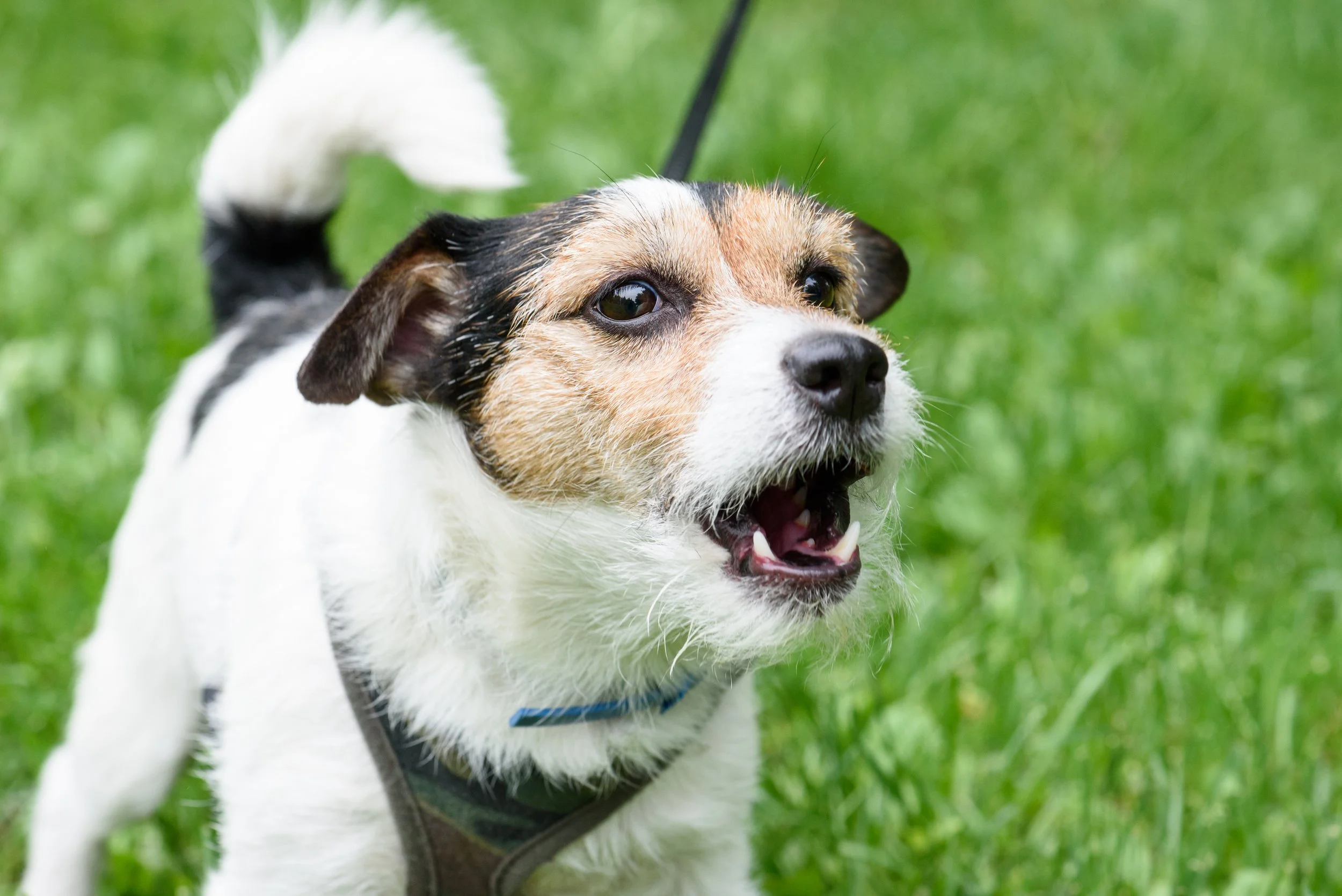
Aggression is one of the most serious behavior issues a dog can have. It often leaves owners feeling stressed, uncertain, and concerned about safety—for their family, their dog, and anyone they encounter.
In a busy area like Metro Detroit, where dogs regularly encounter neighbors, visitors, and other dogs at close distances, these situations can escalate quickly without a clear plan in place.
The good news is that aggression isn’t random. It follows patterns. When you understand those patterns, you can start to change them in a way that is both effective and safe.
I work with clients across Metro Detroit to address aggression using a combination of structured management and training that focuses on the underlying cause—not just suppressing behavior.
Why Dogs Become Aggressive
Genetics
Some dogs were intentionally bred to be more likely to use aggression in specific contexts.
For example, livestock guardian breeds like Anatolian and Caucasian Shepherds were selected to protect resources and drive threats away when necessary.
Other breeds, like Border Collies, were not bred for aggression—but they were bred for intense focus, sensitivity, and control. Those traits can sometimes contribute to behaviors like reactivity or resource guarding when a dog feels conflicted or pressured.
Learned Behavior
Many dogs learn that aggression works.
If a dog growls when someone reaches toward them and that person backs away, the dog has just learned something important: aggression successfully solved the problem.
This is especially common in cases like:
handling sensitivity
resource guarding
leash reactivity
Even if the original fear or discomfort wasn’t extreme, the success of aggression makes it more likely to happen again.
Common Types of Aggression
Aggression often shows up in predictable patterns:
Resource Guarding – protecting food, toys, or space
Leash Reactivity – barking/lunging at dogs or people
Handling Sensitivity – reacting to touch, grooming, or restraint
Stranger-Directed Aggression – discomfort with unfamiliar people
Each of these has slightly different causes, but they follow the same overall principles.
Safety Comes First (Management)
Before training can work, safety has to be in place.
Management strategies might include:
feeding dogs separately
avoiding known trigger situations
using barriers or distance
introducing a properly fitted muzzle when appropriate
Muzzles, in particular, are often misunderstood. When introduced correctly, they allow dogs to safely be in situations that would otherwise be too risky—giving them more freedom, not less.
Can Aggression Be Fixed?
In most cases, aggression can be greatly improved.
Some issues, like food guarding, are often resolved relatively quickly. Others—such as discomfort with unfamiliar people—can take more time and tend to require a thoughtful mix of training and management.
Every dog is different, and progress depends on things like their history, temperament, and owner participation.
The goal is to help your dog feel safer and more comfortable, while making their behavior easier to manage and more predictable over time.
Work With a Dog Aggression Trainer in Metro Detroit
If you’re dealing with aggression, having a clear plan matters—not just for progress, but for safety.
I offer private training throughout Metro Detroit, including:
Initial Consultations: Identify the path to relief and set a plan in motion.
Ongoing Coaching: Implement the plan with an expert at your side.
Day Training: One-on-one work with just your dog to speed up progress to the goal.
If you want help putting a structured, realistic plan in place, reach out to get started.